
What if healthy eating has no secrets?
Why science has been repeating the same simple advice for decades
Every week social media seems to discover a new “secret” to healthy eating — a new diet, superfood, supplement, or nutrition trend.
But while TikTok and Instagram constantly introduce new ideas about food, the recommendations of major scientific organisations have remained surprisingly stable for decades..
Organisations like the World Health Organisation (WHO) and the Harvard School of Public Health base their guidance on a few simple principles of balanced eating.
So why do so many people still feel confused about nutrition?
We spoke about this with Vera Kasianovich, dietitian at Plezha, who holds a bachelor’s degree and is currently pursuing a master’s degree at the Warsaw Medical University.
What do scientific guidelines actually recommend?
Science evolves, but the core principles of healthy eating have remained remarkably consistent.
For example, already in 2003 the WHO defined targets for sugar, salt, fats, and fruit and vegetable intake. These principles are still reflected in modern guidelines.
The Harvard Healthy Eating Plate, introduced in 2011, also remains largely unchanged today.
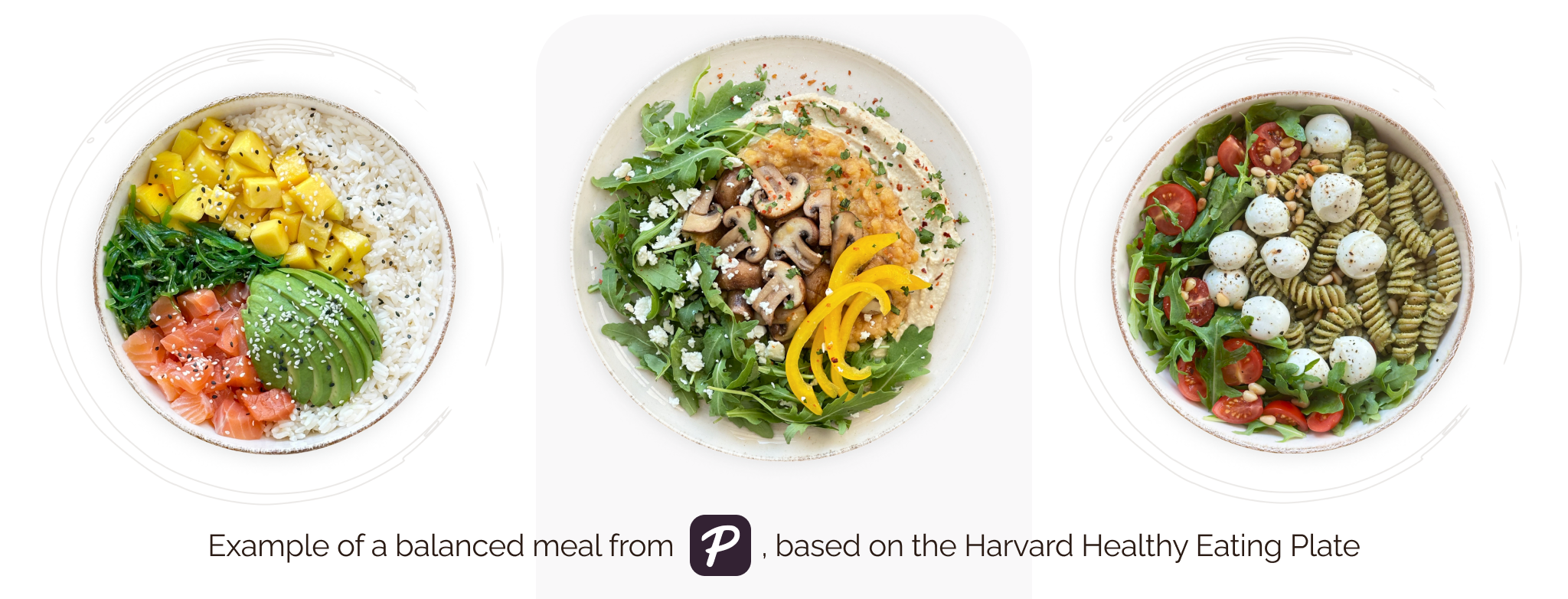
When we compare recommendations from WHO, Harvard, and national nutrition guidelines, we see a surprisingly consistent picture. For a closer look, see how experts around the world build a healthy plate.
The wording may differ, but the core ideas are almost identical:
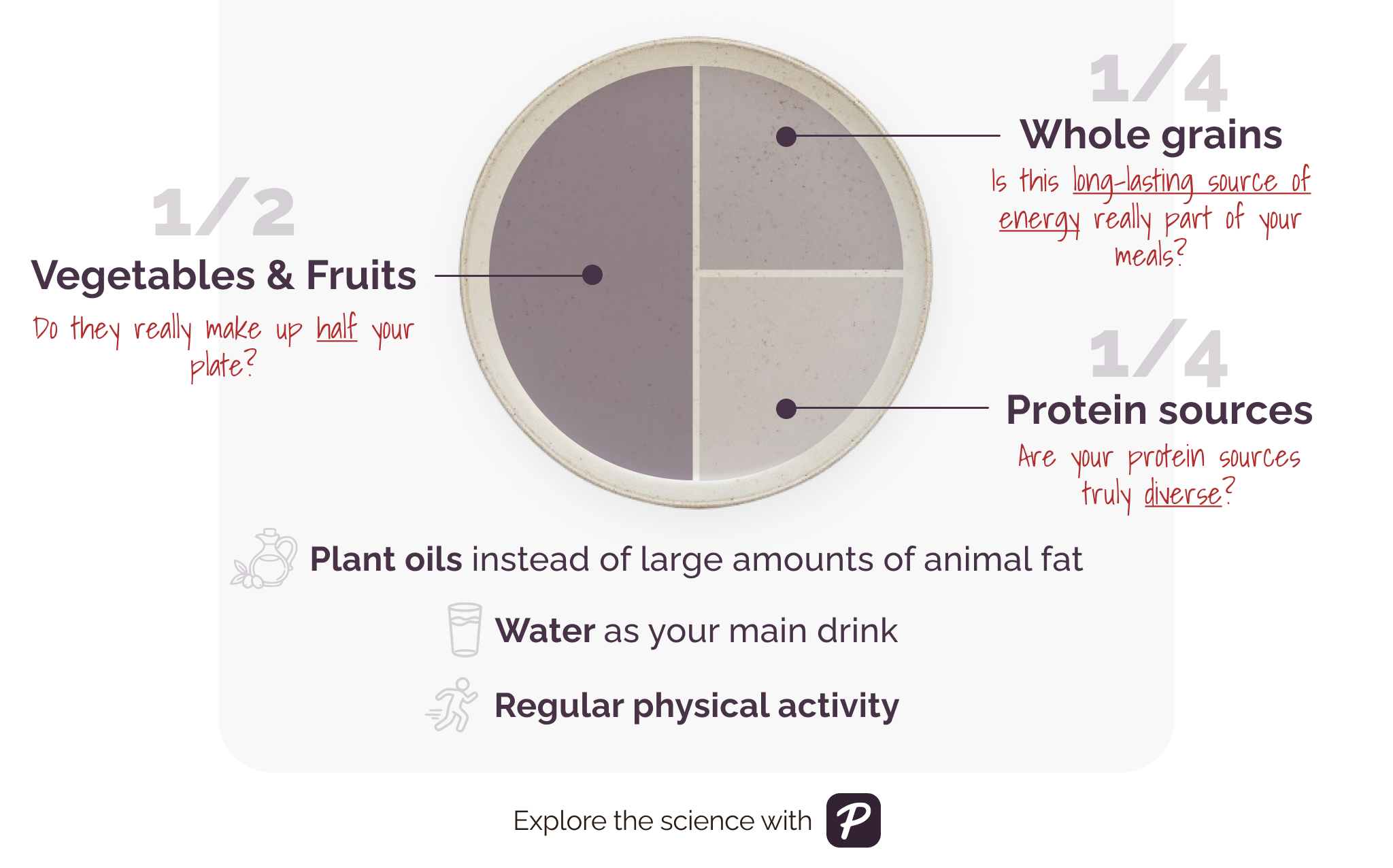
Eat plenty of vegetables and fruits
Choose whole grains instead of refined grains
Include different sources of protein, including plant-based ones
Prefer healthy fats over highly processed fats
Limit added sugar and salt
Drink water as your main beverage
Combine these habits with regular physical activity
It sounds simple.
And that may actually be the problem.
Why simple nutrition advice often “loses” to trendy diets
We hear a lot about trendy diets and “superfoods”. Not necessarily because they work better — but because they fit perfectly into the logic of social media.
“Novelty, simple promises, the feeling of ‘special knowledge’, and personal stories spread quickly online and attract attention. Scientific recommendations are developed in a completely different way — through many years of analysing large datasets, systematic reviews and meta-analyses that combine results from many studies. Their goal is not quick results but long-term reduction of chronic disease risk and improvement of population health.
The irony is that evidence-based recommendations often sound too simple and less exciting, because they do not promise fast or identical results for everyone. Instead, they focus on gradual improvements in health indicators and long-term risk reduction.
But these recommendations are exactly what long-term clinical strategies are built on — approaches whose safety and effectiveness are supported by a large body of scientific evidence.”
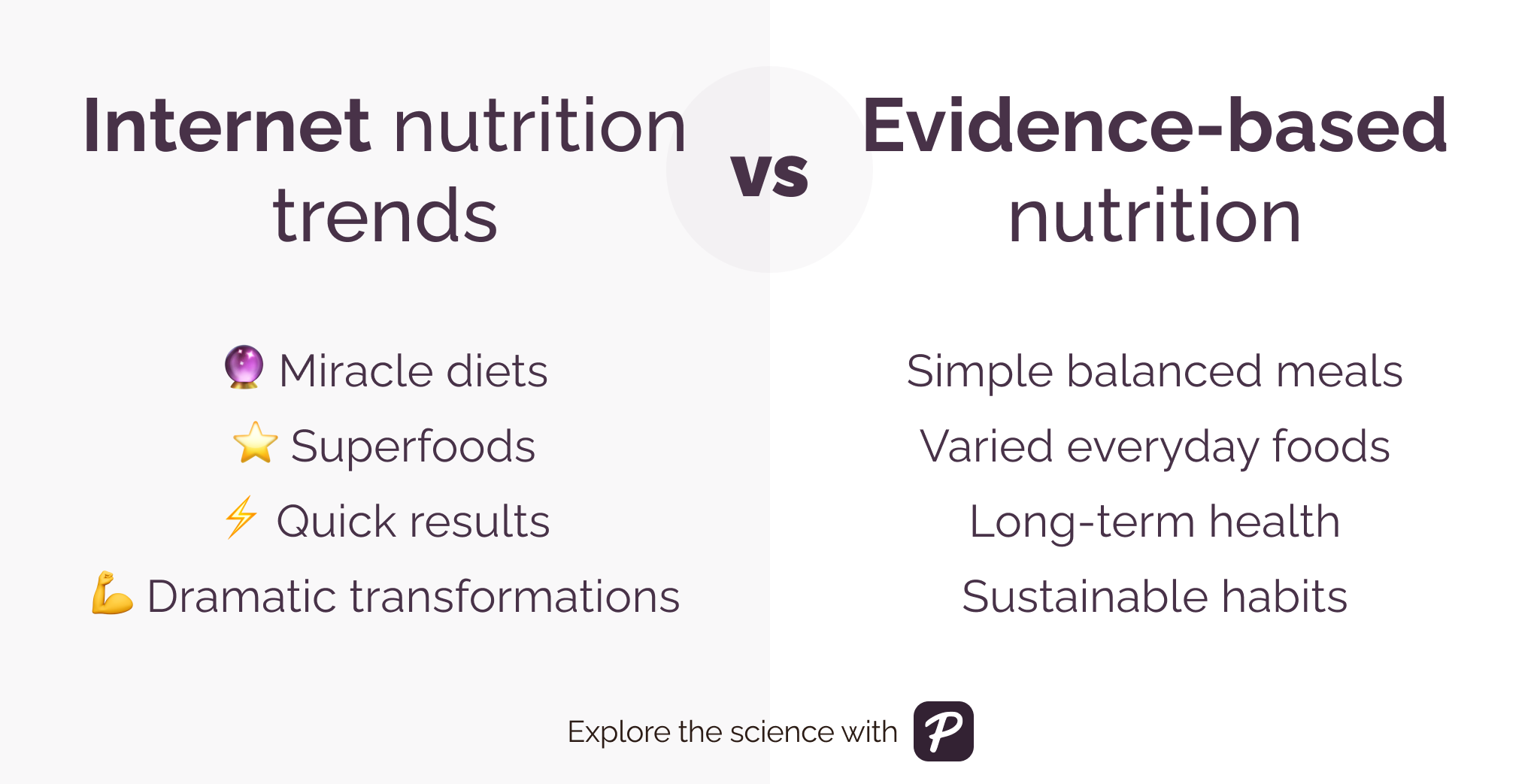
Trendy diet myths — and what science actually says
— Is gluten harmful for everyone?
No. Gluten is a protein found in wheat and several other grains. It is harmful for people with celiac disease (which affects less than 1% of the population) and in some cases of medically diagnosed sensitivity.
“For most people, removing gluten without medical reasons does not improve health and may even reduce the quality of the diet. Whole grains are an important source of fibre, B vitamins, iron, long-lasting energy. They play an important role in a balanced diet.”
— Is the keto diet suitable for everyone?
No. The ketogenic diet was originally developed as a medical therapy for certain conditions and remains a restrictive dietary pattern. In clinical settings it may be prescribed under medical supervision for specific conditions and is not considered a universal or necessary dietary approach for the general population.
“The ketogenic diet has medical contraindications and is not suitable for everyone. For many people, long-term ketogenic diets may increase LDL cholesterol, reduce fibre intake and may lead to declines in physical performance.”
— Are fruit juices a healthy replacement for fruit?
Not really. Even 100% fruit juice without added sugar contains a high concentration of free sugars and almost no fibre.
“Because juice contains little fibre, sugars are absorbed faster. This can lead to stronger spikes in blood glucose and weaker appetite control. When consumed regularly in large amounts, juice may contribute to excess calorie intake and poorer control of blood sugar levels.”
Ideas like these circulate widely online — but they are not always supported by scientific evidence.
So when do people actually need professional nutrition advice?
Who actually needs a dietitian?
For a healthy person, nutrition should generally be built around the basic principles described in the recommendations of the WHO, the Harvard School of Public Health, and national dietary guidelines in different countries. Their purpose is prevention, not treatment.
“Clinical dietitians usually work in clinics and hospitals with patients who already have diagnosed medical conditions. Their role is to adapt nutrition to a specific condition or disease — such as diabetes, gastrointestinal disorders, cancer, or eating disorders.
If a person does not have chronic diseases and does not require clinical supervision, they most likely do not need a special diet. However, consulting a dietitian may still be useful to evaluate dietary habits and identify possible nutrient deficiencies. This approach allows nutrition to be adjusted in time and may reduce the risk of developing health problems in the future. In most cases, these recommendations are still based on well-established principles supported by scientific evidence.
If you feel that you need help with weight management or improving your diet, it is better to seek advice directly from professionals who are qualified and legally responsible for medical guidance — a doctor or a licensed dietitian in a clinic or medical centre, not a social media influencer with a short online nutrition certificate.
In many countries, the activities of nutrition or wellness coaches who interpret medical tests or give treatment recommendations may even be considered unauthorised medical practice. We will discuss this topic in more detail in future articles.”
What should you remember from all this?
“Do not look for a new sensational miracle diet or a special ingredient that will change your life.
The real secret is that healthy eating is based on a small number of simple principles whose effectiveness has been confirmed by decades of research.
Healthy eating is not a system of restrictions. Instead of focusing on what to remove from your diet, it is more useful to focus on adding variety and improving the quality of everyday meals.
And do not forget to move.
That’s it. There are no other secrets to healthy eating.”
A useful way to think about healthy eating is the Harvard Healthy Eating Plate. In simple terms:
Where does Plezha fit into this?
At Plezha, we do not provide consultations, we do not treat diseases, and we do not promote secret or sensational nutrition systems.
Instead, we focus on something much simpler: creating recipes based on the principles of the Harvard Healthy Eating Plate.
Each recipe in the Plezha app follows a clear and balanced structure grounded in decades of scientific research. We make it a bit more challenging for ourselves, but this ensures that every recipe contains at least 8 g of fibre and at least 20 g of protein per serving.
Plus, we focus not only on nutritional balance, but also on taste, texture and the overall experience of eating.
Even something as simple as oatmeal can look very different with Plezha:
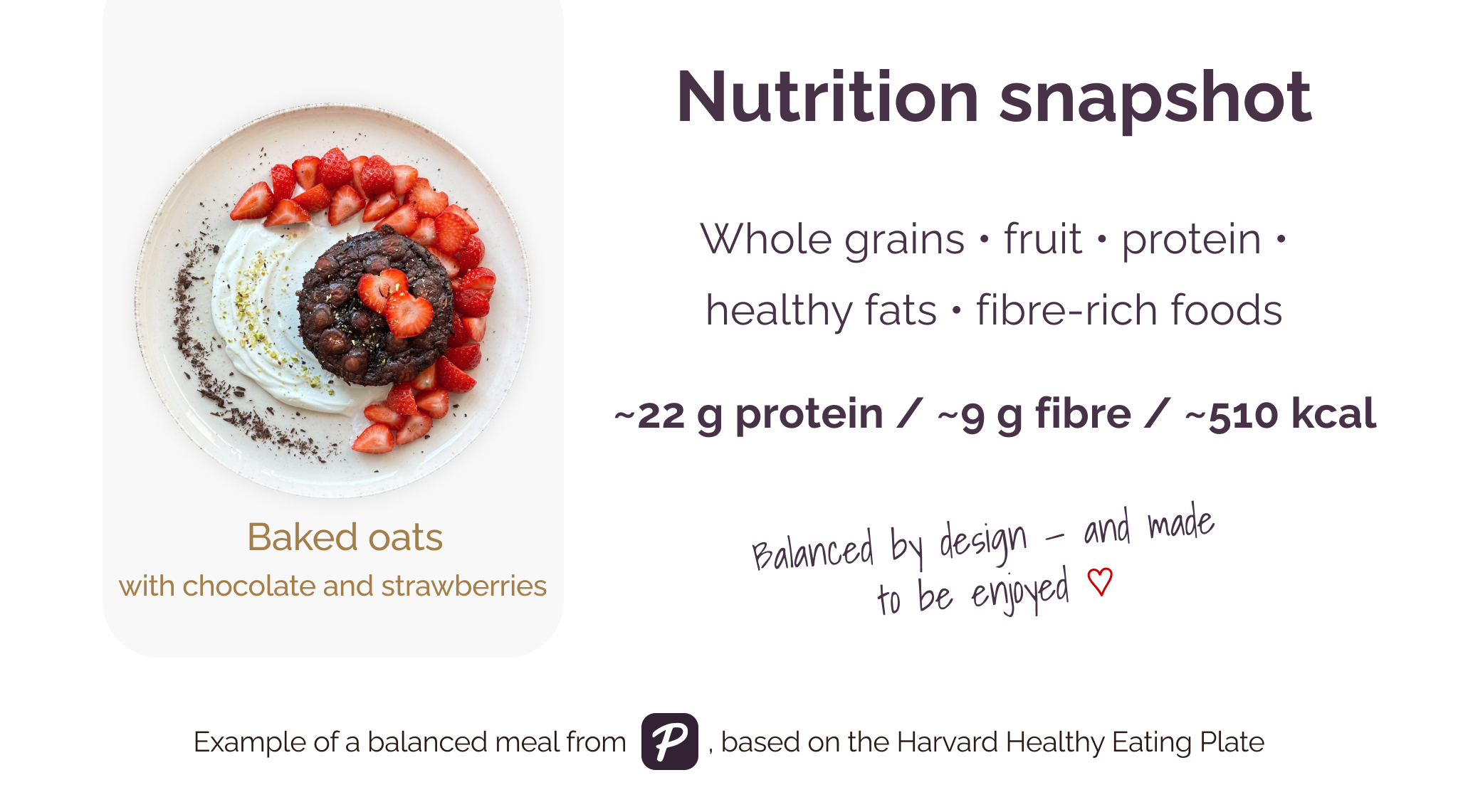
Explore this and other recipes in the Plezha app.
Healthy eating does not require secrets — only simple principles applied consistently. Yet putting these principles into practice in everyday life can still be challenging. That is exactly what we are trying to make easier with the Plezha app.
Disclaimer. This article was prepared with the participation of a qualified dietitian with formal academic training and is based on general nutrition recommendations from major scientific and public health organisations. It is intended to provide general information and does not constitute personalised medical or dietary advice. Individual nutritional needs may vary. If you have symptoms, diagnosed medical conditions, or concerns about your diet or health, please consult a qualified healthcare professional.